ER MODEL – Part-2 Attribute : It is the name of the column. An attribute gives the characteristics of the entity. For example, A customer of bank may be described by : name, address, customer ID number. It is also called as data element, data field, a field, a data item, or an elementary item.
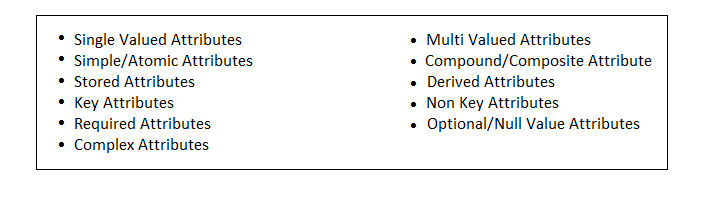
Type of Attributes in DBMS –
 Single valued Attributes : An attribute, that has a single value for a particular entity is known as single valued attributes. For example, age of a employee entity.
Multi valued Attributes : An attributes that may have multiple values for the same entity is known as multi valued attributes. For example colors of a car entity.
Compound Attribute/Composite Attribute : Attribute can be subdivided into two or more other Attribute. For Example, Name can be divided into First name, Middle name and Last name.
Simple Attributes/Atomic Attributes : The attributes which cannot be divided into smaller subparts are called simple or atomic attributes. For example, age of employee entity
Stored Attribute : An attribute, which cannot be derived from other attribute, is known as stored attribute. For example, BirthDate of employee.
Derived Attribute : Attributes derived from other stored attribute. For example age from Date of Birth and Today’s date.
Single valued Attributes : An attribute, that has a single value for a particular entity is known as single valued attributes. For example, age of a employee entity.
Multi valued Attributes : An attributes that may have multiple values for the same entity is known as multi valued attributes. For example colors of a car entity.
Compound Attribute/Composite Attribute : Attribute can be subdivided into two or more other Attribute. For Example, Name can be divided into First name, Middle name and Last name.
Simple Attributes/Atomic Attributes : The attributes which cannot be divided into smaller subparts are called simple or atomic attributes. For example, age of employee entity
Stored Attribute : An attribute, which cannot be derived from other attribute, is known as stored attribute. For example, BirthDate of employee.
Derived Attribute : Attributes derived from other stored attribute. For example age from Date of Birth and Today’s date.
- An attribute can be derived from a single attribute. Example age from DOB and current date.
- An attribute can be derived from multiple attribute.
- An entity can be derived from a separate table. Example,
RNO Name DeptNO 1 A 1 2 B 1 3 C 2 4 D 3 5 E 1 ⇒ DNO Dname 1 CSE 2 IT 3 ECE
{Addressphone (phone {(Area Code, Phone Number)}, Address(Sector Address (Sector Number,House Number), City, State, Pin))}
Here {} are used to enclose multivalued attributes and () are used to enclose composite attributes with comma separating individual attributes./
Key Attribute : represents primary key. (main characteristics of an entity). It is an attribute, that has distinct value for each entity/element in an entity set. For example, Roll number in a Student Entity Type.
Non Key Attributes : These are attributes other than candidate key attributes in a table. For example Firstname is a non key attribute as it does not represent the main characteristics of the entity.
Required Attribute : A required attribute is an attribute that must have a data value.These attributes are required because they describe what is important in the entity. For example, In a STUDENT entity, firstname and lastname is a required attribute.
Optional Attribute/Null Value Attribute – An optional attribute may not have a value in it and can be left blank. For example, In a STUDENT entity, Middlename or email address is an optional attribute. as some students may not have middlename or email address.
Notations Of above Definitions in ER Diagram
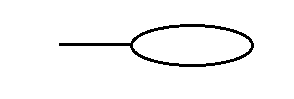 |
Attribute |
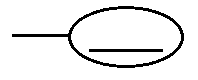 |
Key Attribute |
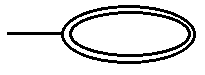 |
Multivalued Attribute |
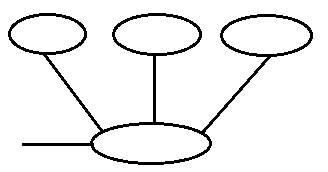 |
Compound/Composite Attribute |
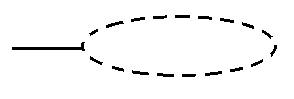 |
Derived Attribute |
| Previous | Home | Next |
| ER MODEL (Entity Relationship Model) | Types of Relationships in ER Diagram |
]]>